H1: Blackjack 21 Plus 3 Explained for Australian Players Who Want Clear Rules
Most Aussie punters know the basic hit or stand rhythm, yet the side bet that sits beside the main table still catches people out. Blackjack 21 plus 3 explained properly starts with the simple truth that it is a separate wager on your first two cards and the dealer’s up card, paid out before the main hand even finishes. If you are reading up on a new site’s rules before you commit, a quick look at the registration page on wildcardcity sign up will show you whether the operator lists side-bet limits and table rules in plain English rather than burying them in fine print.
The way the bet actually works is straightforward once you separate it from the main game. You place your usual blackjack wager, then drop a smaller chip on the 21+3 square if the table offers it. The payout depends on the three-card combo that forms between your initial hand and the dealer’s face-up card, with suited trips, straight flushes and three-of-a-kind carrying the highest returns. Over a flat white at a Canberra pub, one mate leaned across the table and said, “I keep it to a couple of bucks a hand, because the maths on that side wager is a fair bit steeper than the main game.” His mate nodded and replied, “Reckon so – I only tick it on when the first two cards already look close, otherwise it’s just burning a lazy arvo.” That plain-spoken approach matters, because the side bet resolves on those three cards alone and does not care whether you later bust or beat the dealer on the main hand.
The dealer then evaluates the two cards you receive alongside one of the dealer’s cards to determine if your side bet triggers a payout. Many players use this simple mechanic as a wildcardcity sign up to experiment with different table strategies without risking their main bankroll. You can find detailed breakdowns of these side bets and their payout structures at https://smallbusinessprowebsites.com/.
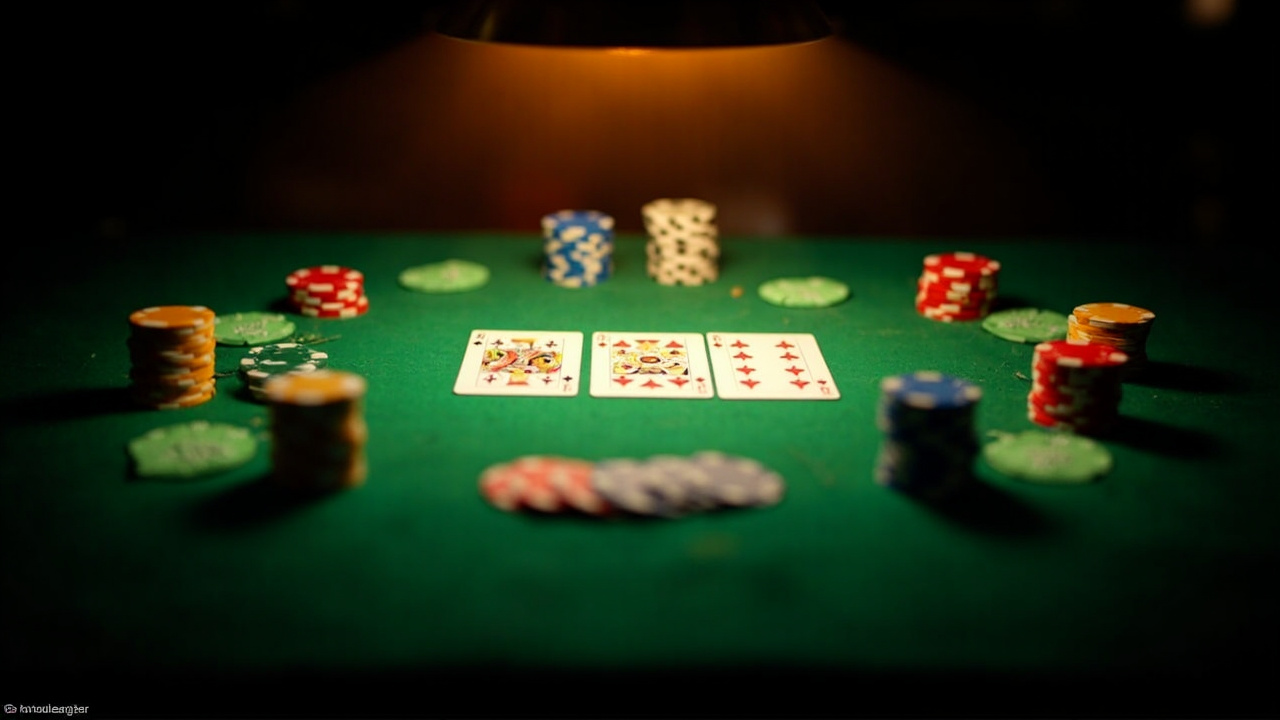
A veteran who has run table floors and watched players misread side wagers for decades will tell you the same thing: treat the 21+3 square like a separate product with its own odds, not like a bonus that magically improves your blackjack result. In my own floor days I saw the same mistake repeat itself across NextGen and NYX layouts, where punters assumed a strong starting hand automatically meant a winning side bet, when really the three-card combination had to land exactly on the printed paytable. If you want to read a neighbour piece that walks through blackjack odds in a different market, you can check out those blackjack odds explained here before you decide how much of your bankroll belongs on the main game and how much belongs on the side wager.
When you are weighing up where to play, the practical details around licensing, account controls and support matter more than a flashy welcome screen. A solid operator will hold a recognised gambling licence, run the table through audited random-number software or a properly supervised live-dealer setup, and give you clear deposit limits, session timers and self-exclusion tools before you ever place a punt. Payment options should list the currencies you actually use, show realistic processing windows, and keep your personal details behind standard encryption rather than treating privacy as an afterthought. Good support teams answer questions about table rules, side-bet payouts and responsible-play settings without making you jump through hoops, because a table game like this should feel transparent from the first click to the final settlement.
| Detail | What to look for |
|---|---|
| Licensing and security | Recognised gambling licence, encrypted login, audited game software |
| Table rules and payouts | Clear 21+3 paytable, stated side-bet limits, visible dealer up-card rules |
| Account controls | Deposit limits, session timers, self-exclusion options, straightforward withdrawals |
| Support and payments | Live chat or phone help, local-currency options, realistic processing times |
The card-table drama that made side bets feel glamorous has a long history, and the card game in The Sting (1973) helped popularise elaborate con-artist storytelling that still colours how people picture a high-stakes table. In a real casino, though, breaking the bank simply meant winning all the chips a table had in reserve, forcing a temporary closure, which is a far cry from the smooth movie version. That gap between cinema and the actual felt is worth keeping in mind whenever you sit down, because the 21+3 wager is just another priced side bet with a built-in edge, not a secret route to a guaranteed result.

If you are going to have a punt on the side wager, do it with the same discipline you would bring to the main hand: decide your unit size, read the printed paytable before you touch the screen, and keep the bet small enough that a losing streak does not wreck your session. Blackjack 21 plus 3 explained properly means understanding that the main game and the side bet are two different propositions sharing the same table, so the smartest play is usually to let the main hand carry most of your focus and treat the three-card wager as occasional entertainment. When the site, the rules and the support all line up, you can settle in and play with your eyes open rather than hoping a side bet will do the heavy lifting for you. Herseyonuanlatiyor